by Andrew John Tucker, LCSW
Researched by Corina Evi Tucker y de la Huerta
www.addictiontherapynyc.com
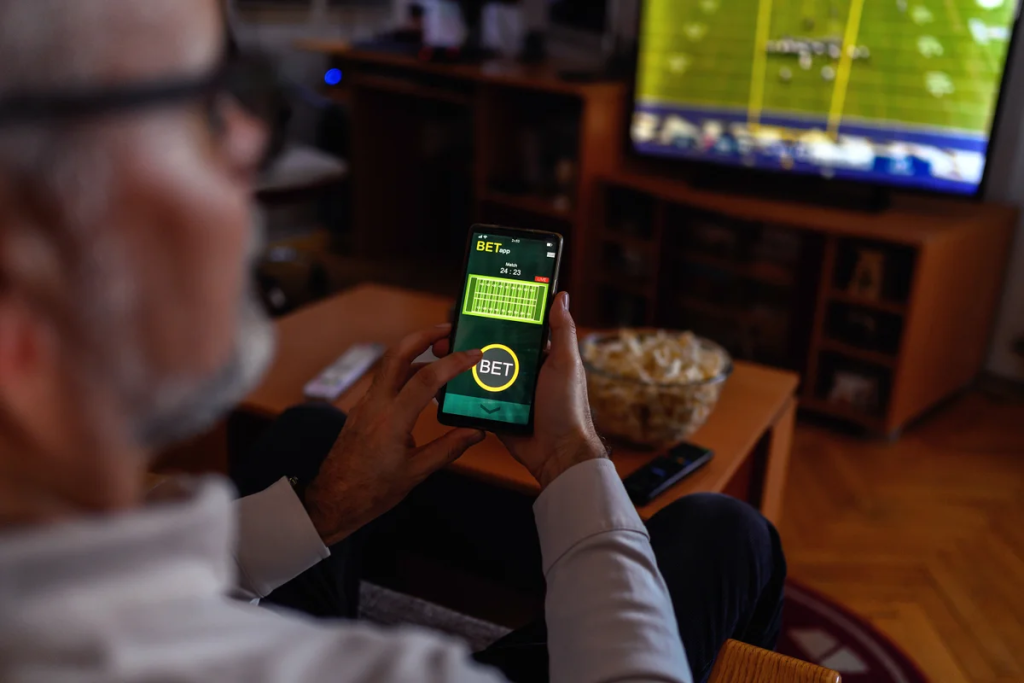
Something quiet but important is happening in the national conversation about sports betting…and clinicians should be paying attention.
A recent analysis from Pew Research Center, titled “Americans increasingly see legal sports betting as a bad thing for society and sports,” shows a clear shift in public opinion. More Americans now believe legalized sports betting is harmful rather than beneficial, not just for individuals, but for the integrity of sports and the health of society overall.
That matters. For years, sports betting was sold as entertainment, skill-based fun, and harmless engagement. The marketing was sleek, normalized, and embedded directly into live sports. What Pew’s data suggests is that lived experience is catching up with the hype. People are noticing the downstream effects…financial stress, compulsive behavior, relationship strain, and a sense that something fundamental about sports has changed.
From a clinical lens, this shift is validating. Many clients struggling with gambling-related harm carry a heavy layer of self-blame. They assume, “Everyone else can handle this…I must be broken.” Pew’s findings quietly challenge that narrative. When a growing portion of the public starts to see structural harm, it reframes the issue. The problem isn’t weak willpower; it’s exposure to a highly engineered system designed to monetize attention, risk-taking, and dopamine.
The article also highlights concern about the impact on sports themselves. When betting becomes central, games stop being communal experiences and start feeling transactional. For people in recovery, this can be especially disorienting. Watching sports used to be connection, ritual, and joy. Now it’s saturated with triggers.
This is where clinicians can step in with nuance and compassion. We don’t need to be alarmist, but we do need to be honest. Legal does not mean benign. Popular does not mean safe.
Three practical uses for addiction recovery work:
- Reduce shame through context. Use this data to help clients see their struggle as part of a broader societal issue, not a personal defect.
- Support boundary-setting around sports. Normalize grief and ambivalence when clients step back from something that used to feel connecting.
- Educate families and partners. This research helps loved ones understand why “just stop” misses the point entirely.
Cultural attitudes are shifting for a reason. When the environment changes, our clinical frameworks should evolve with it.
Original article:
Pew Research Center. Americans increasingly see legal sports betting as a bad thing for society and sports
https://www.pewresearch.org/short-reads/2025/10/02/americans-increasingly-see-legal-sports-betting-as-a-bad-thing-for-society-and-sports/
If you or anyone you know might benefit from a free consultation with a Clinical Addiction Specialist, fill out the confidential form on my website www.addictiontherapynyc.com, and I will reach out to you within 12 hours.