by Andrew John Tucker, LCSW, CASAC-G
Researched by Corina Evi Tucker y de la Huerta
www.addictiontherapynyc.com
There’s something important happening right now that clinicians, clients, and families can’t afford to miss.
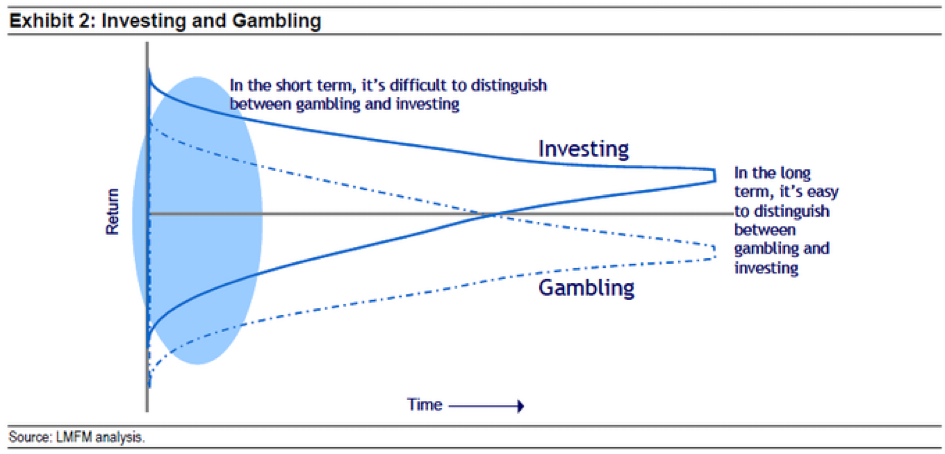
A recent poll conducted by Ipsos and reported by the Association of Internet Betting & Markets (AIBM) in the article “Most Americans See Prediction Markets as More Like Gambling Than Investing” highlights a quiet but meaningful shift in public perception. Most Americans are not buying the idea that prediction markets are simply “smart investing.” They’re seeing them for what they often feel like…gambling.
That matters.
Because one of the biggest drivers of addiction is not just access… it’s framing. When something looks like investing, it can bypass the internal alarm system. It feels rational, strategic, even responsible. But when that same behavior starts activating the same emotional loops as gambling…risk, anticipation, chasing losses…we’re in a different territory altogether.
And here’s where I want to slow this down for a moment.
If you’ve ever found yourself pulled into something like this…whether it’s sports betting, options trading, prediction markets, or even crypto swings…it does not mean you’re reckless. It means your brain is doing exactly what it’s designed to do: respond to uncertainty, reward anticipation, and try to solve problems under pressure.
That’s not failure. That’s human.
The AIBM/Ipsos poll is actually helpful because it reduces some of the confusion. When the public starts naming something more clearly, it creates an opportunity for people to be more honest with themselves. And honesty is where recovery begins.
From a clinical standpoint, this opens up a few practical ways we can use this insight:
- Language matters in treatment.
If a client says “I’m investing,” but the behavior looks like gambling, that’s not something to confront harshly. It’s something to explore gently. “What does it feel like when you’re doing it?” is often more revealing than “What do you call it?” - Normalize the pull without normalizing the harm.
These platforms are engineered to feel compelling. That doesn’t make someone weak for engaging. But it does mean we need to help people see the design, not just blame themselves. - Bridge the gap between insight and action.
Once someone can say, “This feels more like gambling than investing,” you’ve created a pivot point. That’s where boundaries, accountability, and real change can begin.
For clinicians reading this, there’s an invitation here too. We’re watching the expansion of financialized risk behaviors that don’t fit neatly into old categories. Staying curious and flexible in how we assess these behaviors is going to matter more than ever.
And for anyone reading this personally…if something you’re doing feels harder to stop than it should be, or carries more emotional weight than you expected…that’s worth paying attention to. Not judging. Just noticing.
That’s usually where things start to shift.
Original Article:
https://aibm.org/research/most-americans-see-prediction-markets-as-more-like-gambling-than-investing-new-aibm-ipsos-poll-finds/
Credit: Association of Internet Betting & Markets (AIBM) / Ipsos Poll
If you or anyone you know might benefit from a free consultation with a Clinical Addiction Specialist, fill out the confidential form on my website www.addictiontherapynyc.com, and I will reach out to you within 12 hours.